
A photographic instrument
Modulate
An image is only the beginning.
The Introduction and Home Screen
01 / The living image
A moment held.
A moment opened.
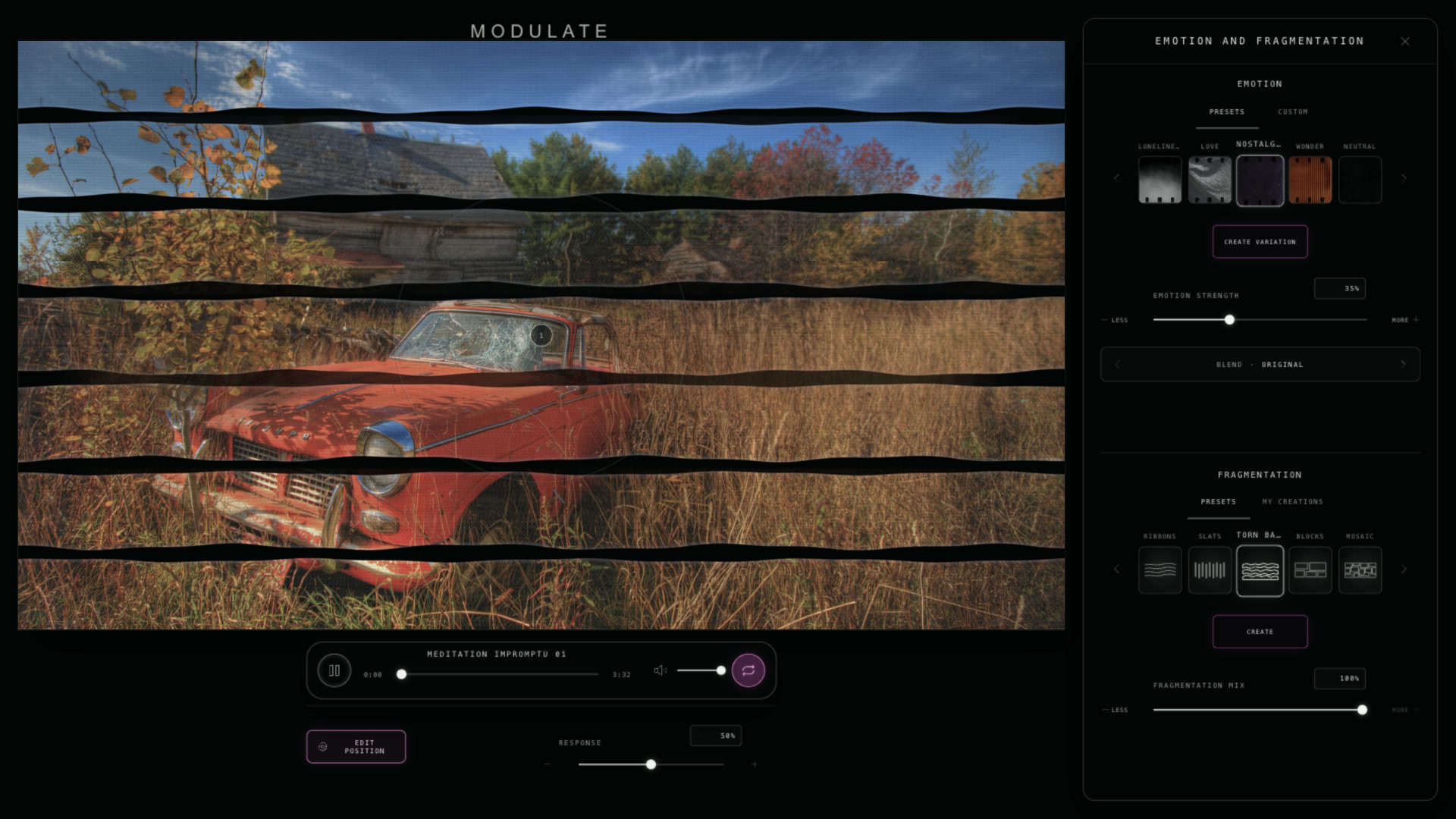
Modulate turns a photograph into a responsive visual instrument.
A photograph fixes a moment. Modulate asks what happens when that moment remains open. Sound, gesture, and time become ways of returning to an image: changing its atmosphere, dividing its surface, and discovering how it behaves.
The photograph becomes both a record and an instrument. A captured frame or rendered film preserves one arrangement without making it definitive. What does authorship become when an image can be composed, encountered, and performed again?
Watch without the animation02 / A responsive system
One image.
Many ways in.
Compose an atmosphere, introduce sound, or make a gesture. Each system offers a different way to work with the same photograph.
- 01 Image
- Begin with a photograph. Adjust its framing, light, color, and surface.
- 02 Affect
- Combine Emotion’s atmosphere with Fragmentation’s divisions and structural movement.
- 03 Music
- Use a track or optional live input to create frequency-sensitive motion around resonance points.
- 04 Interact
- Perform local Pull, Push, and Ripple gestures with a pointer, pen, touch, or keyboard.
- 05 Sequence
- Arrange photographic scenes over time, with cuts, crossfades, and a shared soundtrack.
- 06 Video output
- Render an authored Sequence as an MP4, or use Capture to preserve a clean still.
03 / Selected states
The image,
otherwise.
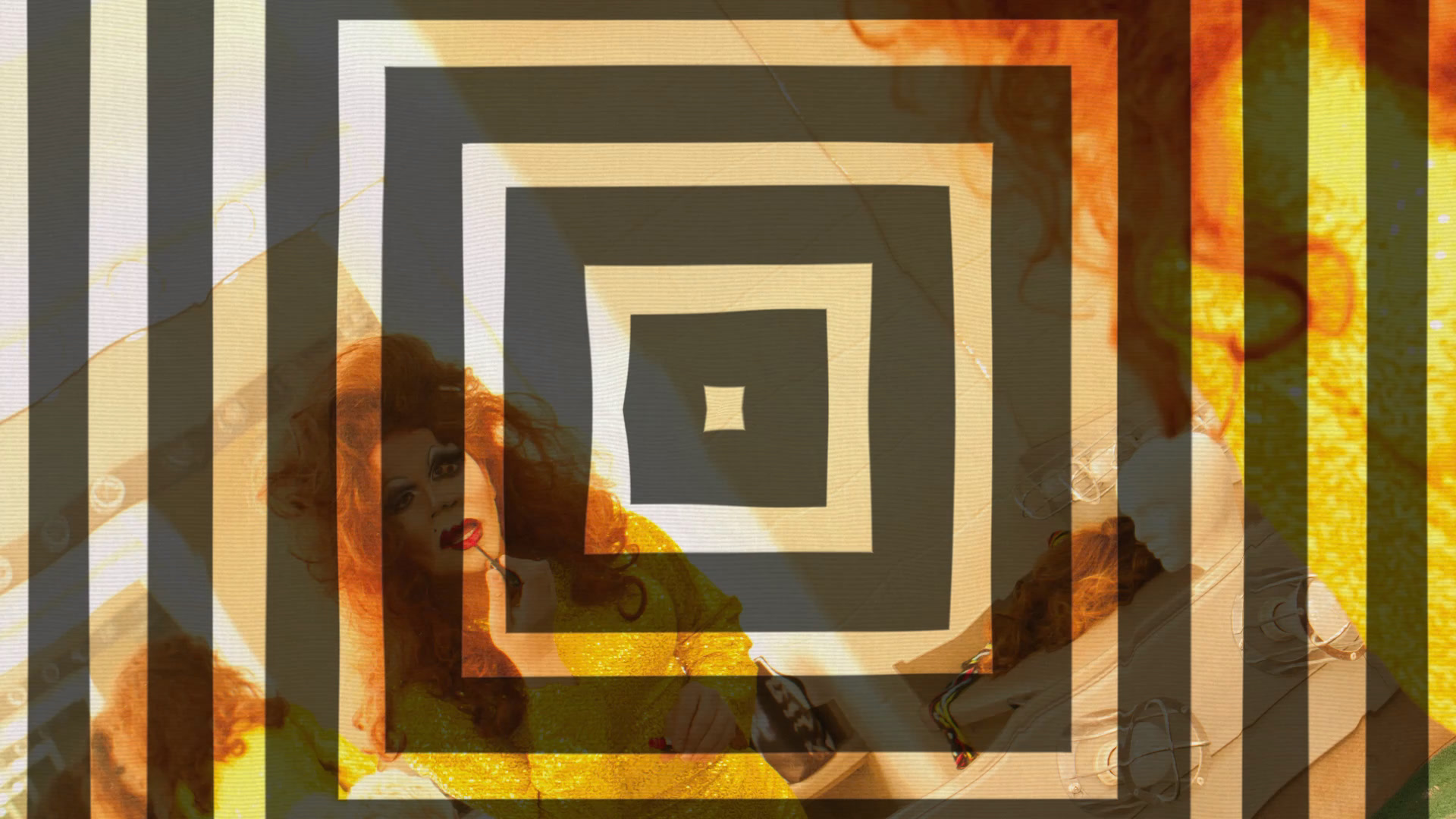
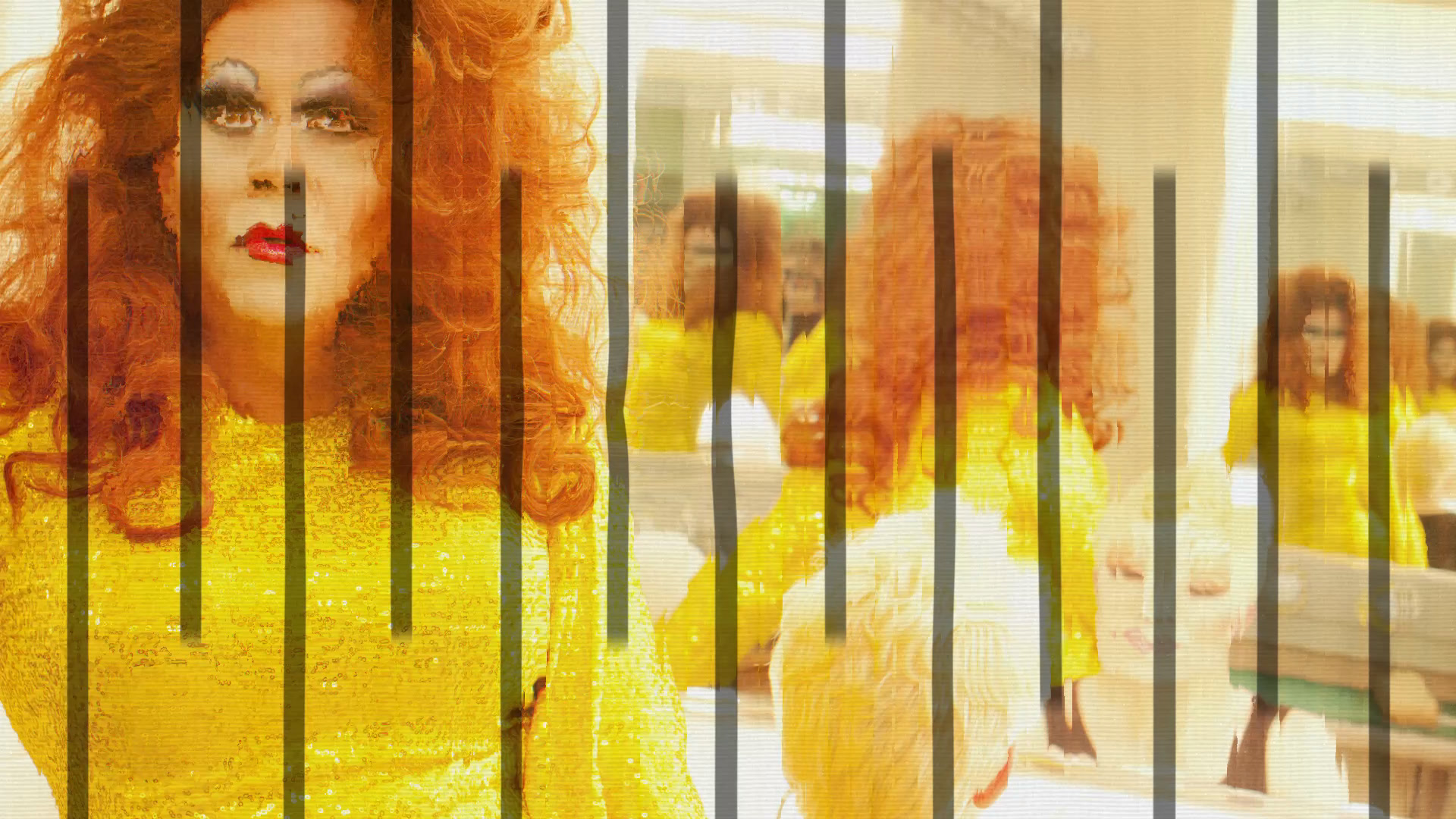
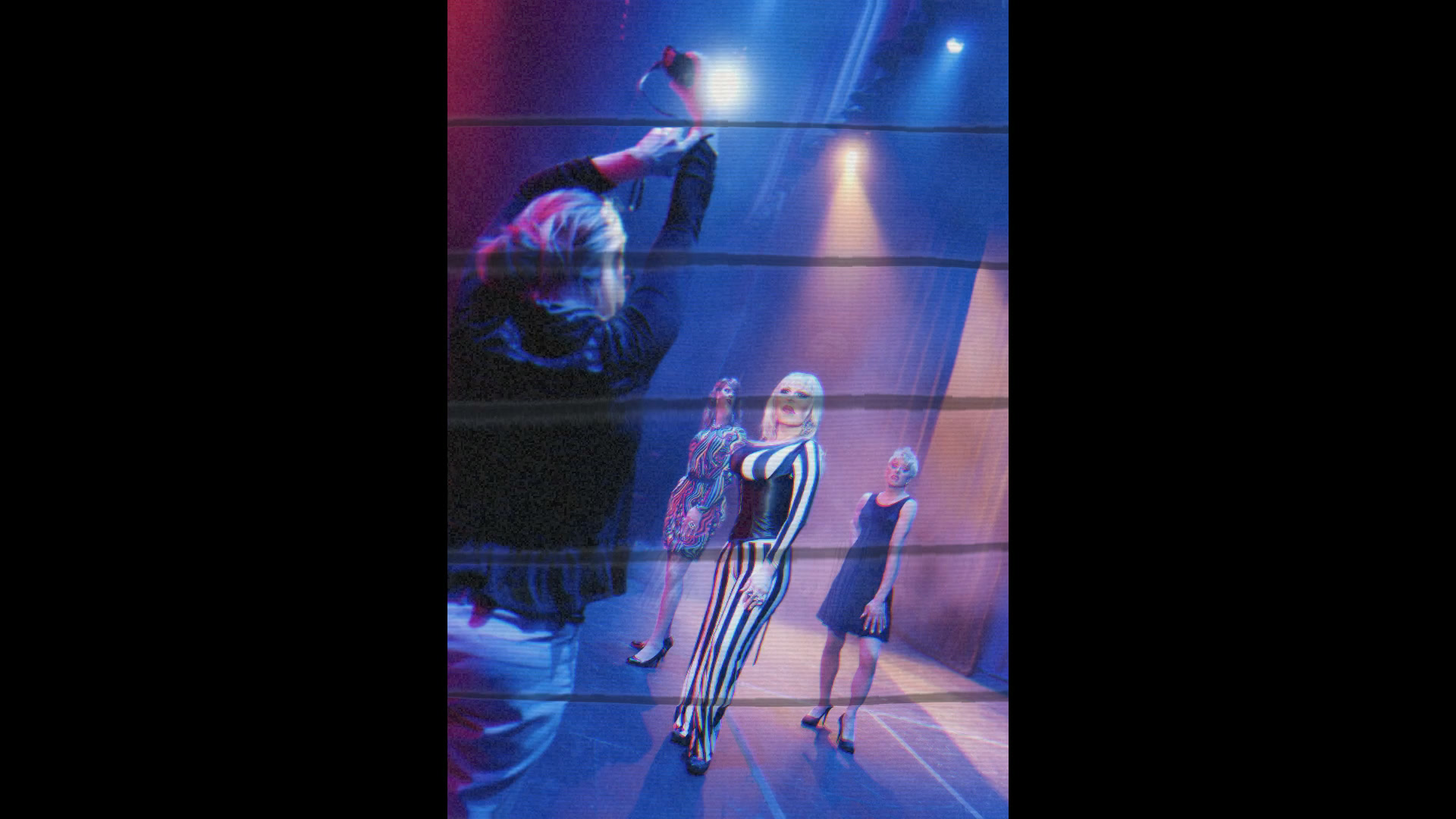
Three moments from From Mirror to Stage. Each is an actual frame made with Modulate, not a simulated effect.
04 / From photograph to instrument
Still the same memory.
No longer still.
Old Memories combines Nostalgia, Torn Bands, and a film-like surface. Compare the source photograph with the authored result.

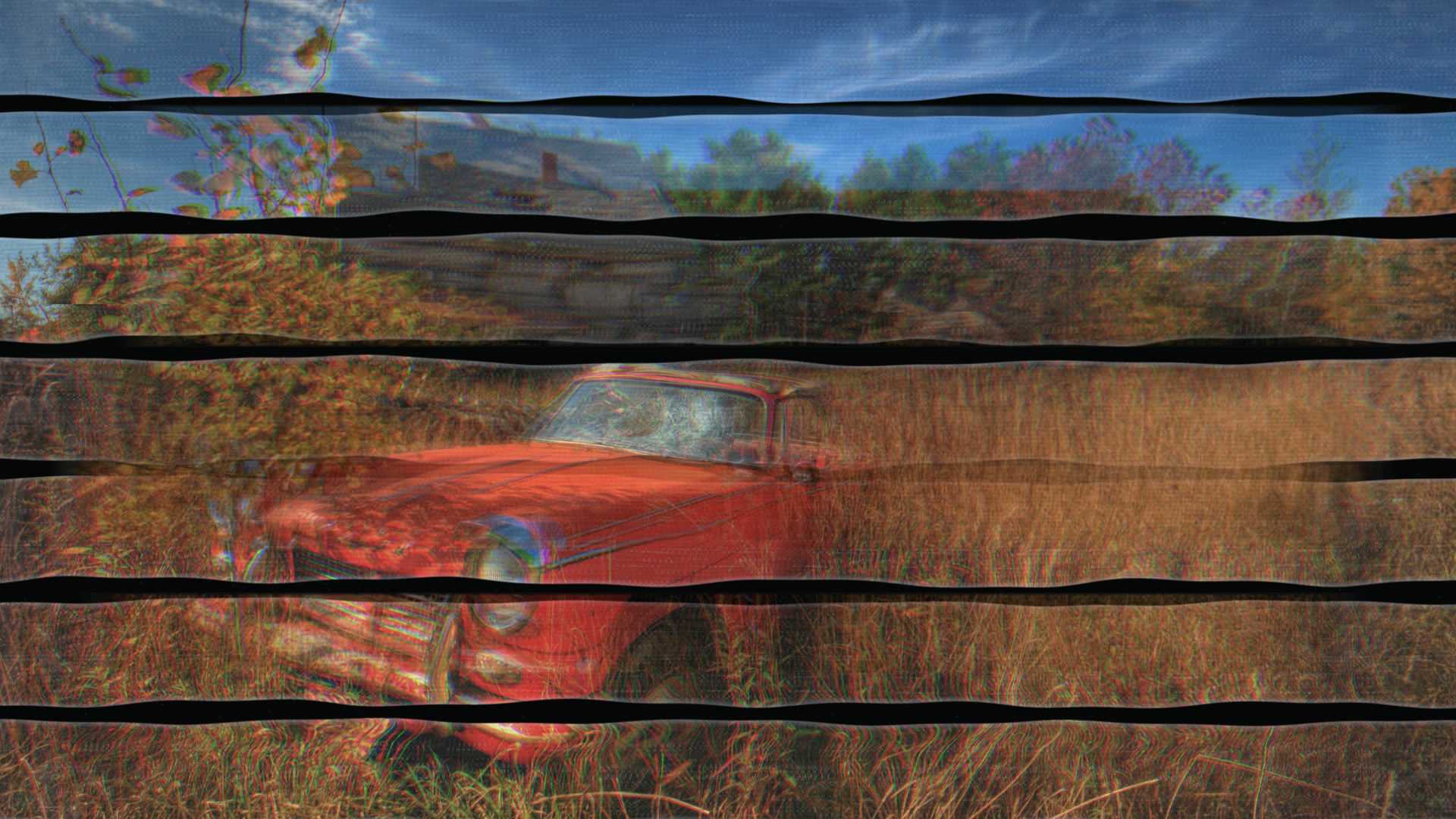
Matched source and composition. The result combines several authored settings; it is not a single-effect filter comparison.
05 / Listening and responding
Sound gives it rhythm.
You give it direction.
Music is more than a soundtrack. Bass and treble can act on different regions of the image, turning a listening session into a visual performance.
Interact adds a separate, temporary layer. Pull a region toward you, push it away, or send a ripple through it. The authored composition remains the point of return.
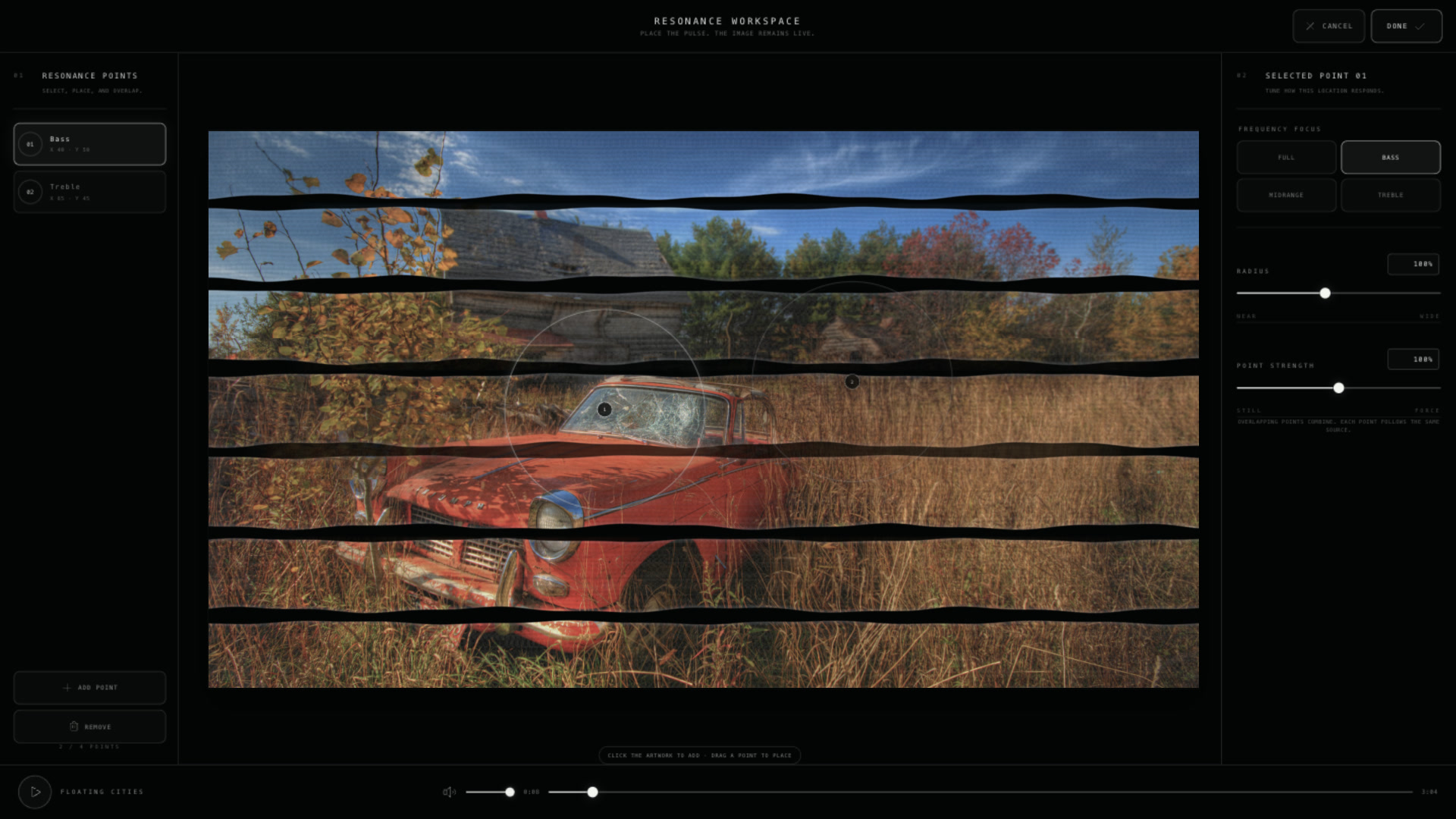
An image you can answer back
Pull. Push. Ripple.
Local gestures act on the image without replacing its underlying state. That distinction keeps composition and performance connected, but independently controllable.
06 / Composing with time
A frame becomes
a performance.
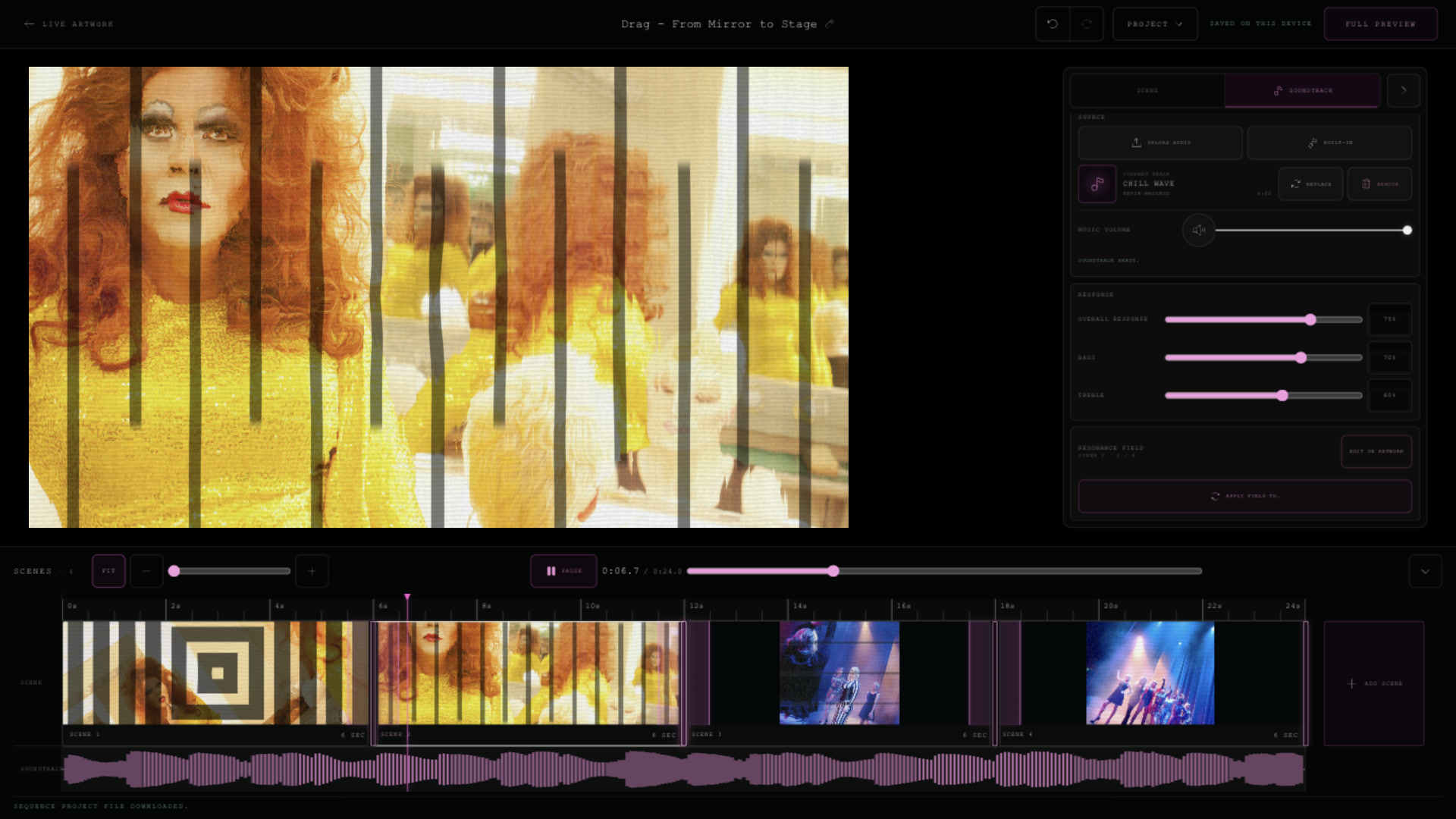
Sequence brings separate scenes into one authored progression. Duration, transition, and sound become compositional decisions.
Compose once.
Return to it differently.
Each scene carries its own photographic state. A shared timeline brings them together, while an MP4 preserves a version that can leave the browser.
The workspace below documents the same four-scene study shown here.
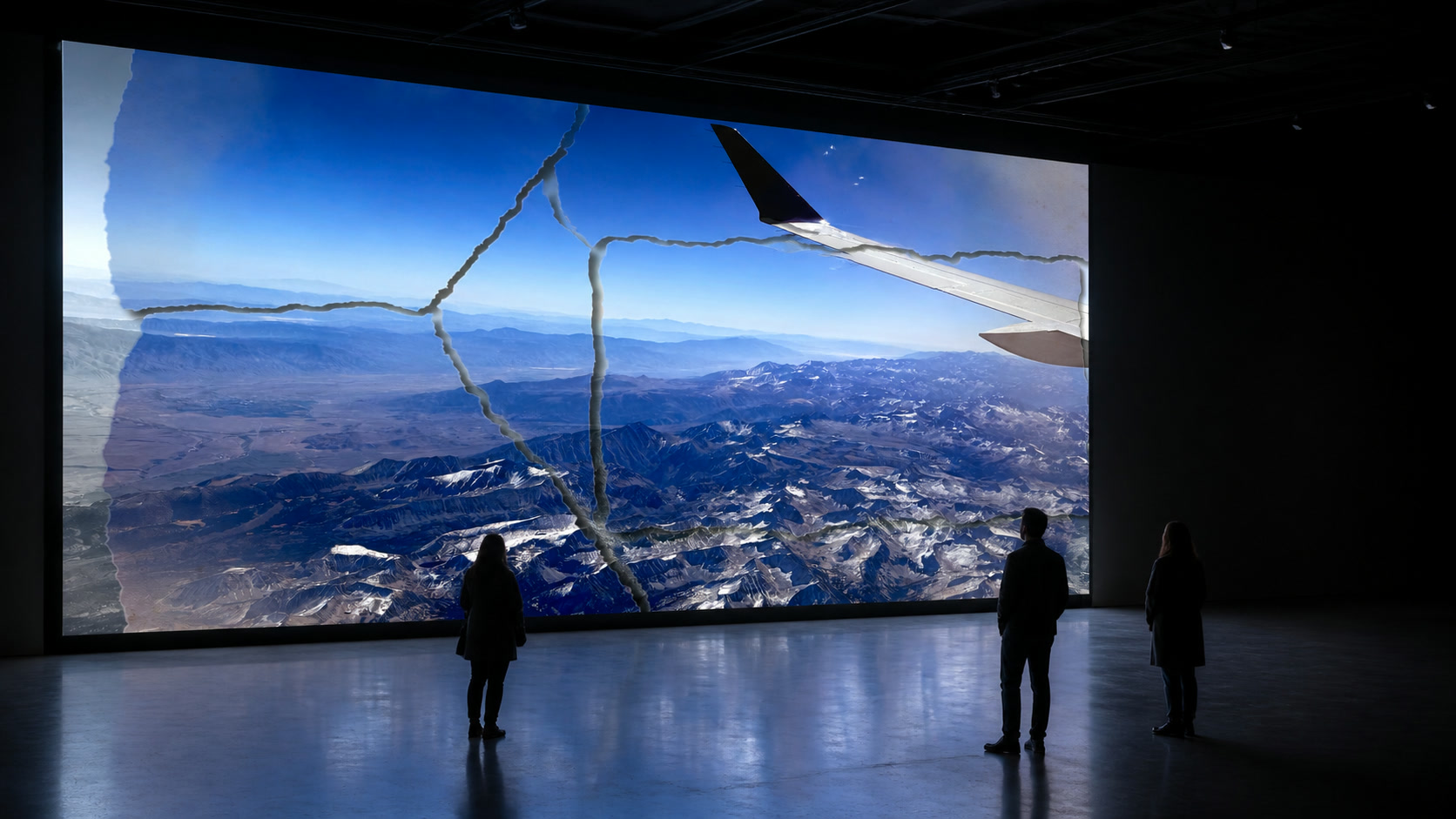
Beyond the personal screen
An image.
An atmosphere.
A room.
07 / Making the instrument
Direction.
Dialogue.
Revision.
I developed Modulate through an iterative dialogue between artistic direction, interface design, implementation, and critique. I defined the concept, visual criteria, interaction priorities, and boundaries, then evaluated and revised the results.
Codex supported coding, testing, documentation, and language development. Written contracts helped translate visual judgments into specific behaviors. Authorship, aesthetic judgment, responsibility, and final approval remained with me.
Built with React, Three.js/WebGL, and Web Audio.
A design decision, made explicit
“Pointer or touch supplies temporary local pressure, movement, recoil, and ripple.”
From Modulate’s product plan. A written boundary between the composition and the participant’s gesture.
A small rule in the actual code
export function isRepeatableAudioSource(sourceKind) {
  return sourceKind === "upload" || sourceKind === "builtin";
}
From Modulate’s audio-repeat helper. Recorded music can repeat; live input stays live.
08 / Design education
Why this matters
for design education.
The designed object is no longer only what we see. It is also how it behaves.
Modulate offers a way to discuss graphic design beyond the fixed composition. Image, interface, movement, and sound form a system whose behavior is part of its meaning.
For teaching, the project makes creative direction visible: define an intention, establish constraints, evaluate an outcome, and revise the system. It also creates a concrete setting for examining AI-assisted practice. Producing an implementation is not the same as deciding what should exist or judging whether it works.
Students can learn to direct increasingly complex tools while remaining responsible for clarity, experience, authorship, accessibility, and the consequences of their decisions.
Explore my teachingThe introduction
Meet the instrument.
The recorded introduction, with original sound. Playback begins only when you choose Play.
Continue the conversation
Come closer
to the work.
Request a demonstrationModulate is in active development and available for controlled demonstrations. The application remains access-protected while device testing and asset-clearance work continue.
I welcome conversations about audiovisual practice, design education, and human-directed AI collaboration.
Credits, accessibility, and responsible presentation
Art and development
Concept, artistic direction, source photography, interface design, and development direction: Tom Adolphs. Coding, testing, documentation, and language-development support: Codex.
Displayed artworks and workspace recordings are actual Modulate outputs. The gallery image is an AI-generated visualization of an envisioned application, not an exhibition record.
Music
“Floating Cities” and “Chill Wave” by Kevin MacLeod, licensed under CC BY 4.0. Used in short, web-compressed audiovisual excerpts.
The introduction
The introduction combines photographic, mechanical, and electronic sounds. The recording was trimmed and cropped; playback preserves the clean introduction without an added opening click.
Sound sources: cabled_mess, sophiehall3535, Sheyvan, JonnyThePonny, Flying_Deer_Fx, and JovianSounds under CC0; projector sound from BigSoundBank under its source license.
Studio Notebook
An original laptop presentation model built in Blender for Modulate, with Tom Adolphs’s Modulate mark. Modeling and integration were developed with Codex under Tom’s creative direction.
Access and motion
Sound starts only after an explicit Play action. Reduced-motion and compact layouts skip the scroll-driven opening. A standard video player is available above and is also used if the 3D presentation cannot load.
The introduction has basic sound-description captions. The musical excerpts have no spoken dialogue. Their accompanying descriptions identify the visual studies and soundtracks.
Participant privacy
In the interactive application, photographic and audio processing takes place in the browser. Live audio input is optional. This portfolio does not request microphone access or accept uploaded media.